California's Legislature failed for the fifth straight year to pass privacy rules for license plate reader cameras, leaving Beverly Hills' surveillance network operating without new state oversight.
Senate Bill 1013, authored by state Sen. Sabrina Cervantes (D-Riverside), cleared the state Senate but was blocked in the Assembly on Tuesday, Sept. 1, by Majority Leader Cecilia Aguiar-Curry. She prevented the bill from reaching a floor vote on the session's final day, LAist reported.
The bill would have limited police use of license plate data to locating criminal suspects or missing people, required privacy and cybersecurity training for officers, restricted sharing with national databases and mandated random audits by the state attorney general's office.
Nearly 40 agencies opposed it.
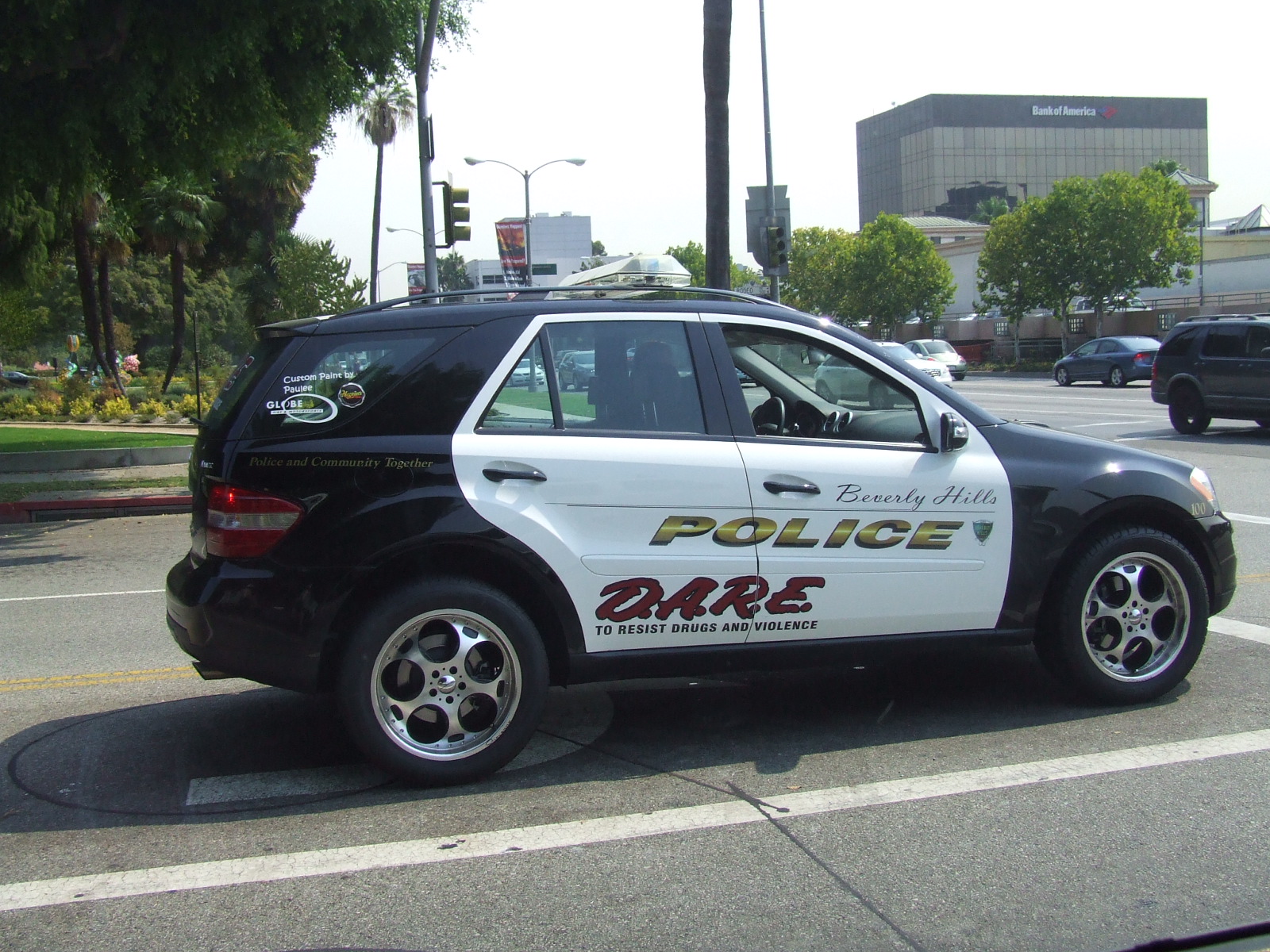
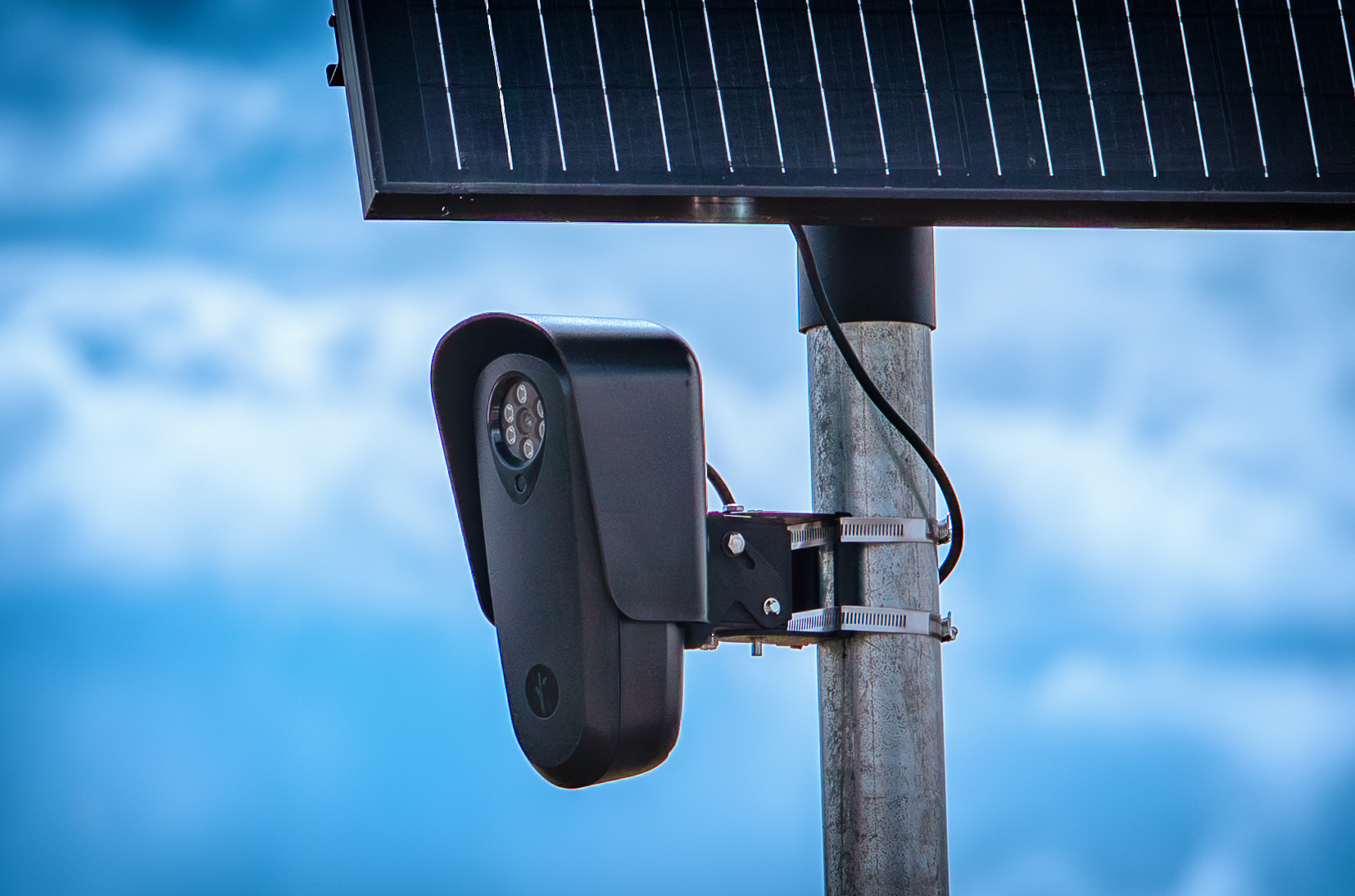
The failure matters locally because Beverly Hills operates one of the region's most visible camera networks. The Beverly Hills Police Department said in an Aug. 30 statement that it monitors more than 2,500 cameras and deploys drones through its Real Time Watch Center. A public records request filed in November 2025 for Flock Safety audit records from BHPD confirms the department uses the same Flock technology at the center of the statewide debate, according to records on MuckRock.
No public statement from BHPD or the Beverly Hills City Council addressing SB 1013 or the city's data protection policies appeared as of Thursday, Sept. 3.
LAPD audit raises accuracy questions
The bill's death comes weeks after an LAPD Inspector General audit of the department's license plate reader program, which uses cameras from Flock and other vendors, found that one in three alerts flagging vehicles as stolen turned out to be wrong. The 98-page report, covering a two-month period starting in August 2025, found the cameras scanned more than 210 million plates, the Los Angeles Times reported. Of those scans, 161 stolen-vehicle alerts were inaccurate, while 337 alerts led to actual recoveries.
Drivers stopped on false alerts faced what LAPD calls high-risk traffic stops: ordered out at gunpoint, with backup and air support called in, according to TechTimes.
LAPD let its three-year Flock contract expire on July 11 and shut off 138 pole-mounted cameras, citing civil rights concerns, Patch reported. The department had already turned off Flock cameras in the Beverly Grove neighborhood on Feb. 11, according to the Beverly Press.
Neighbors take different paths
West Hollywood's City Council voted 3-2 on July 20 to keep its Flock contract but bar sharing footage with ICE or other federal agencies unless a court orders it, the Beverly Press reported.
Nationwide, more than 200 cities or agencies ended license plate reader contracts in August, the most in any single month since 2021, according to Ars Technica, citing data from Secure Justice.
Flock Safety itself cut its default data retention period from 30 days to seven in August and made its audit tool mandatory for all law enforcement customers, the New York Post reported.
Catherine Crump, co-director of the UC Berkeley Center for Law & Technology, called the bill's failure "a really disappointing outcome at a time when there is bipartisan concern about this mass surveillance tool," in comments to CalMatters.
A similar bill passed the Legislature last year but was vetoed by Gov. Gavin Newsom, in part over a provision requiring police to delete plate data after 60 days. Cervantes said in a statement she plans to reintroduce legislation in the 2027 session.
Beverly Hills residents can report public safety concerns to BHPD at (310) 550-4951.