Beverly Hills families now have statewide data backing the later start times their children follow every school day.
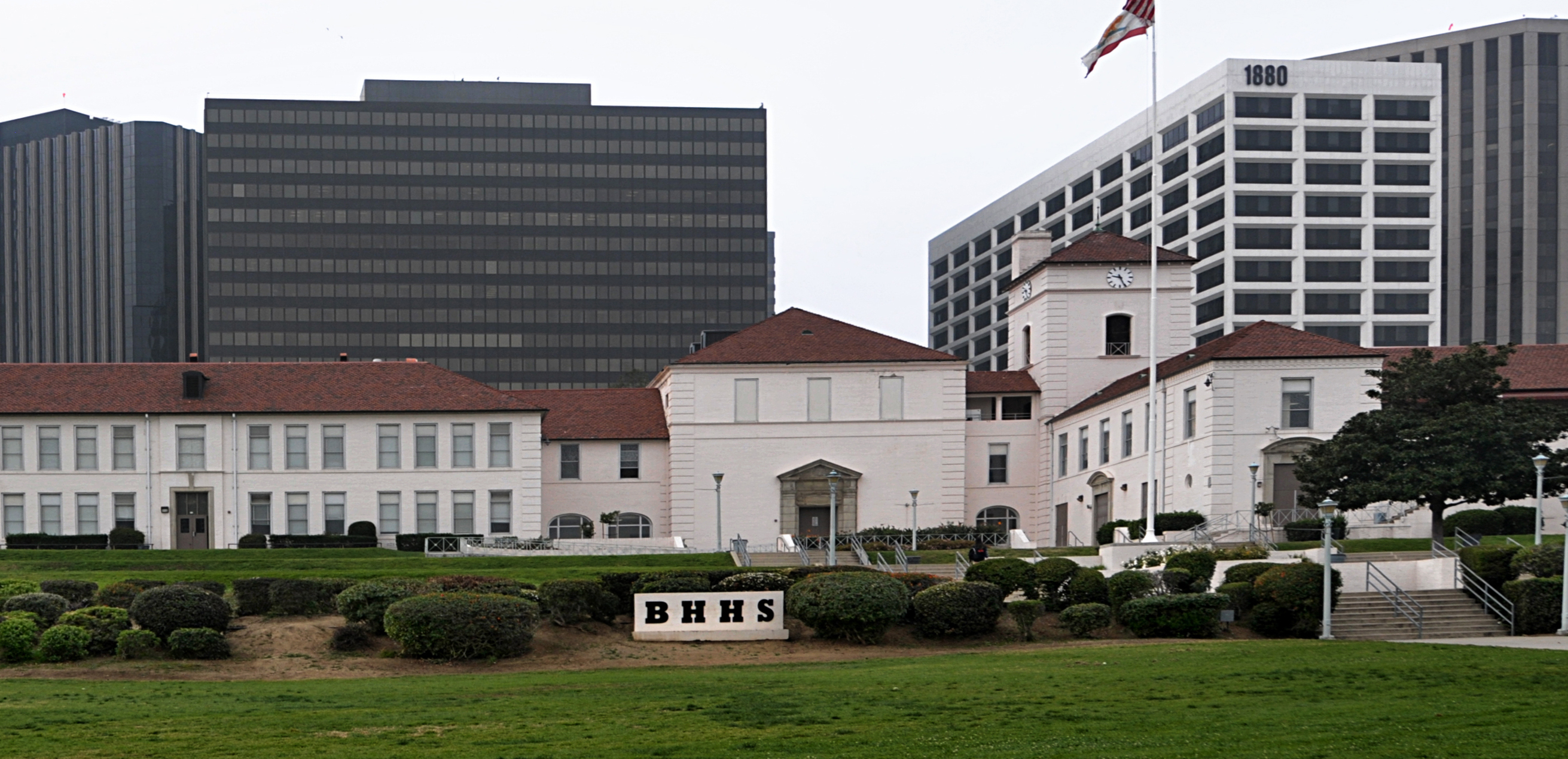
A National Bureau of Economic Research working paper, published May 11, found that California's Senate Bill 328 increased the share of students sleeping at least eight hours per night by 13%. The law, which took effect in the 2022-23 school year, requires most high schools to start no earlier than 8:30 a.m. and middle schools no earlier than 8 a.m. Beverly Hills High School and Beverly Vista Middle School both operate under the mandate.
California is the only state with such a law.
The study tracked outcomes from 2022 through 2025 using teachers' commute arrival times as a proxy for measuring start-time shifts across districts. Eighth graders made measurable gains in math and English, with the strongest improvements among Hispanic and economically disadvantaged students. Boys saw the largest jump in sleep, LAist first reported.
Mental health gains stood out, too. Boys reported the largest reductions in sadness, hopelessness and suicidal ideation. Hispanic students reported the biggest drop in difficulty concentrating.
"The first step in addressing student mental health problems is to not create them in the first place," said Terra Ziporyn, executive director of Start School Later. "You can get a lot of counselors, but systematically depriving an entire adolescent population of adequate sleep is a surefire way to hurt their mental health."
Ziporyn called SB 328 a key part of California's response to what schools have described as a student mental health crisis.
Osea Giuntella, a University of Pittsburgh researcher and co-author of the paper, said the academic gains were likely driven by the change in sleep, citing comparable studies where increased sleep led to higher GPAs. Giuntella called later start times "effective and powerful tools" for student outcomes but noted the transition requires careful management so it does not backfire on families' routines.
The study found extracurricular activities did shift later after the mandate, but the changes were not statistically significant, Giuntella said.
Not every district handled the switch smoothly. Ziporyn said some found the transition too hard and too expensive, and that administrators could have received more guidance from the state Department of Education. San Francisco Unified, for example, worked with operations experts at the Yale School of Management, Georgia Tech and Northwestern University to redesign bus routes, saving roughly $5 million.
The paper's authors recommend California collect statewide start-time data to measure the reform's long-term impact across districts, including those in Beverly Hills Unified.