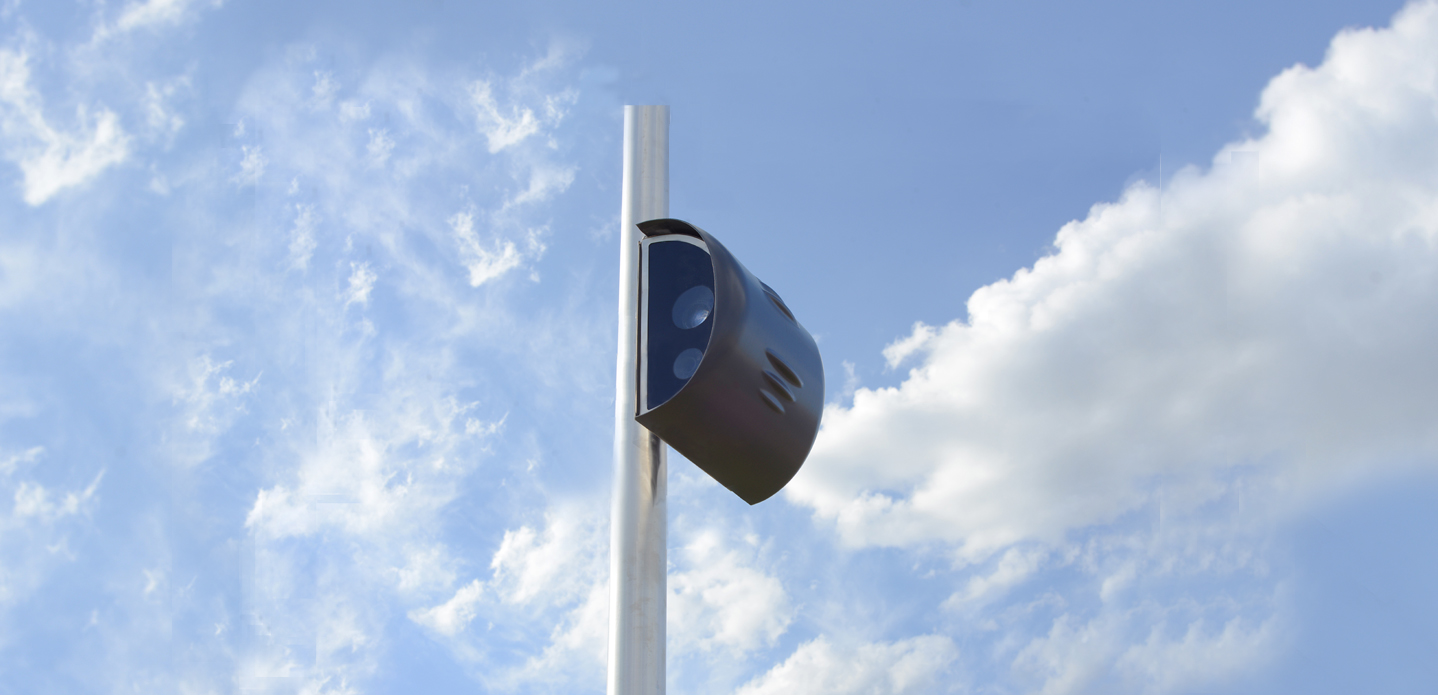
Los Angeles will activate 125 speed cameras Oct. 26, including on corridors near Bel Air and Holmby Hills.
The cameras are the first wave of the city's Speed Safety Systems Program, authorized under California Assembly Bill 645. Gov. Gavin Newsom signed the bill in October 2023. Each of the city's 15 council districts will get at least eight or nine cameras, the Los Angeles Times reported. Bel Air and Holmby Hills fall within Council District 5, according to Brentwood News LA.
Specific camera locations in the Bel Air and Holmby Hills area are shown on an interactive map at the LADOT website. City officials selected sites using crash data, speeding data and input from community groups, focusing on school zones, senior centers and high-injury corridors.
What happens first
For the first 60 days after cameras go live, drivers clocked at 11 mph or more over the posted speed limit will receive a written warning in the mail. No fines apply during those 60 days.
Once the warning period ends, the fine structure kicks in with a twist: a driver's first violation in the 11-to-15-mph-over tier still draws a warning, ABC7 reported. Only repeat violations at that speed trigger the $50 civil citation. Drivers caught going 16 mph or more over the limit face fines starting at the first citation.
The full fine schedule, as reported by KTLA:
- 11 to 15 mph over: $50
- 16 to 25 mph over: $100
- 26 mph or more over: $200
- 100 mph or more: $500
How it works
Each location has two cameras covering both directions of traffic. When a vehicle exceeds the limit by 11 mph or more, a camera photographs the rear license plate. The Los Angeles Department of Transportation's (LADOT) Parking Enforcement and Traffic Control Division then mails a civil citation to the registered vehicle owner within 15 days.
The citation works like a parking ticket. No points go on anyone's license. The registered owner pays even if someone else was driving.
Rep. Laura Friedman, whom ABC7 identified as the bill's author, said the program is built around behavior change. "Our intention is to tell people to slow the hell down," Friedman told the outlet on Oct. 1.
Privacy protections
LADOT General Manager Laura Rubio-Cornejo addressed data concerns at an Oct. 1 news conference in East Hollywood, saying the camera data "is and will remain the sole property of the Los Angeles Department of Transportation" and cannot be shared with law enforcement without a court-issued subpoena, as LAist reported. Only license plate information needed for enforcement is collected.
Why the cameras
Speed contributed to roughly one in five fatal crashes in Los Angeles in 2024, according to LADOT. In 2025, 290 people died in traffic incidents citywide, exceeding the number of homicides that year, according to LAPD data reported by Patch.
The cameras were originally scheduled for installation between April and July but were delayed while LADOT secured construction contracts. "The goal is to do it right rather than do it fast and run into problems later down the line," LADOT spokesperson Colin Sweeney told the Times.
LADOT expects all 125 systems to be active by the end of 2026. Fine revenue is earmarked for local street-safety projects under state law. Residents can view camera locations and the full fine schedule on the LADOT website.