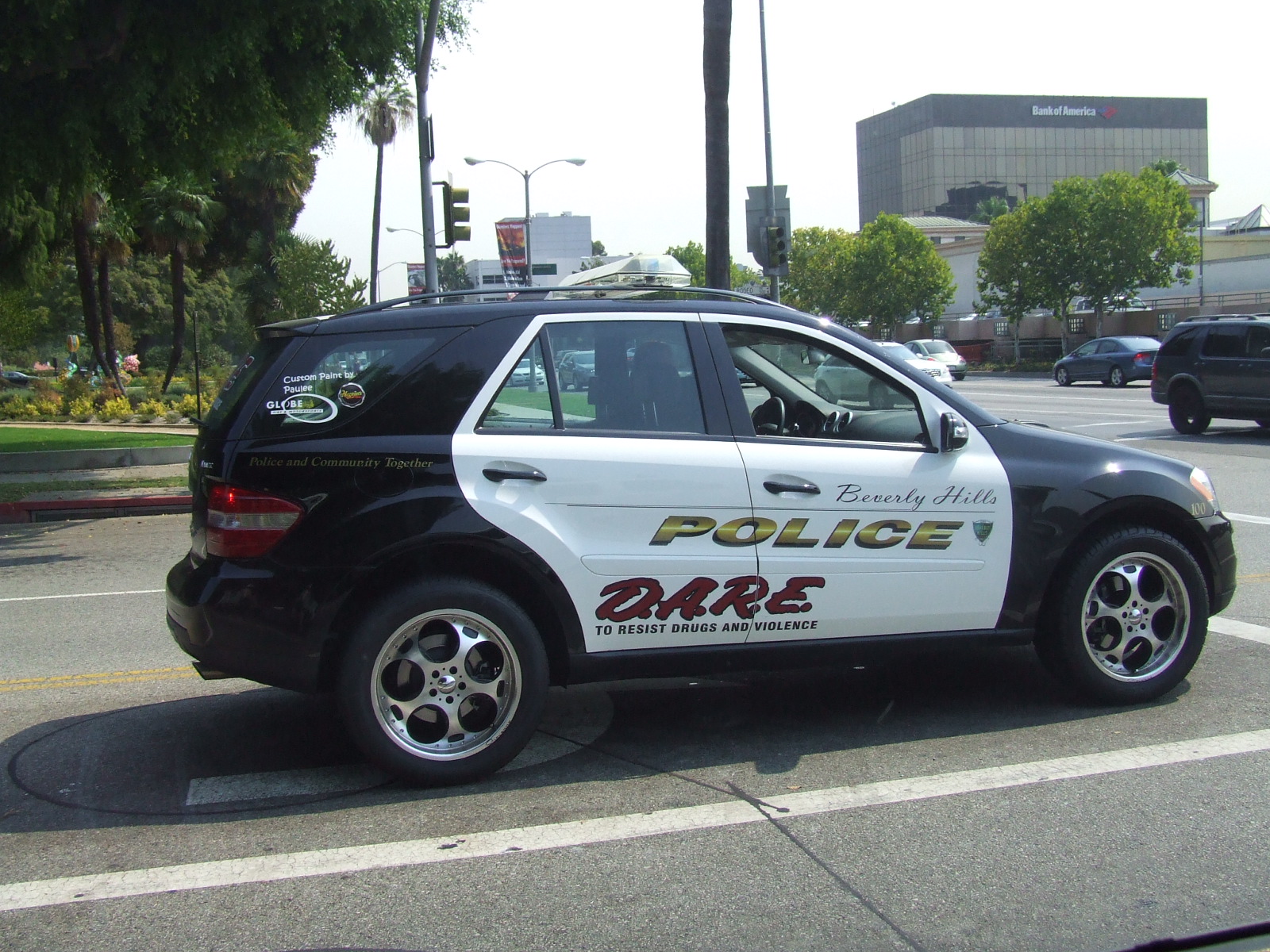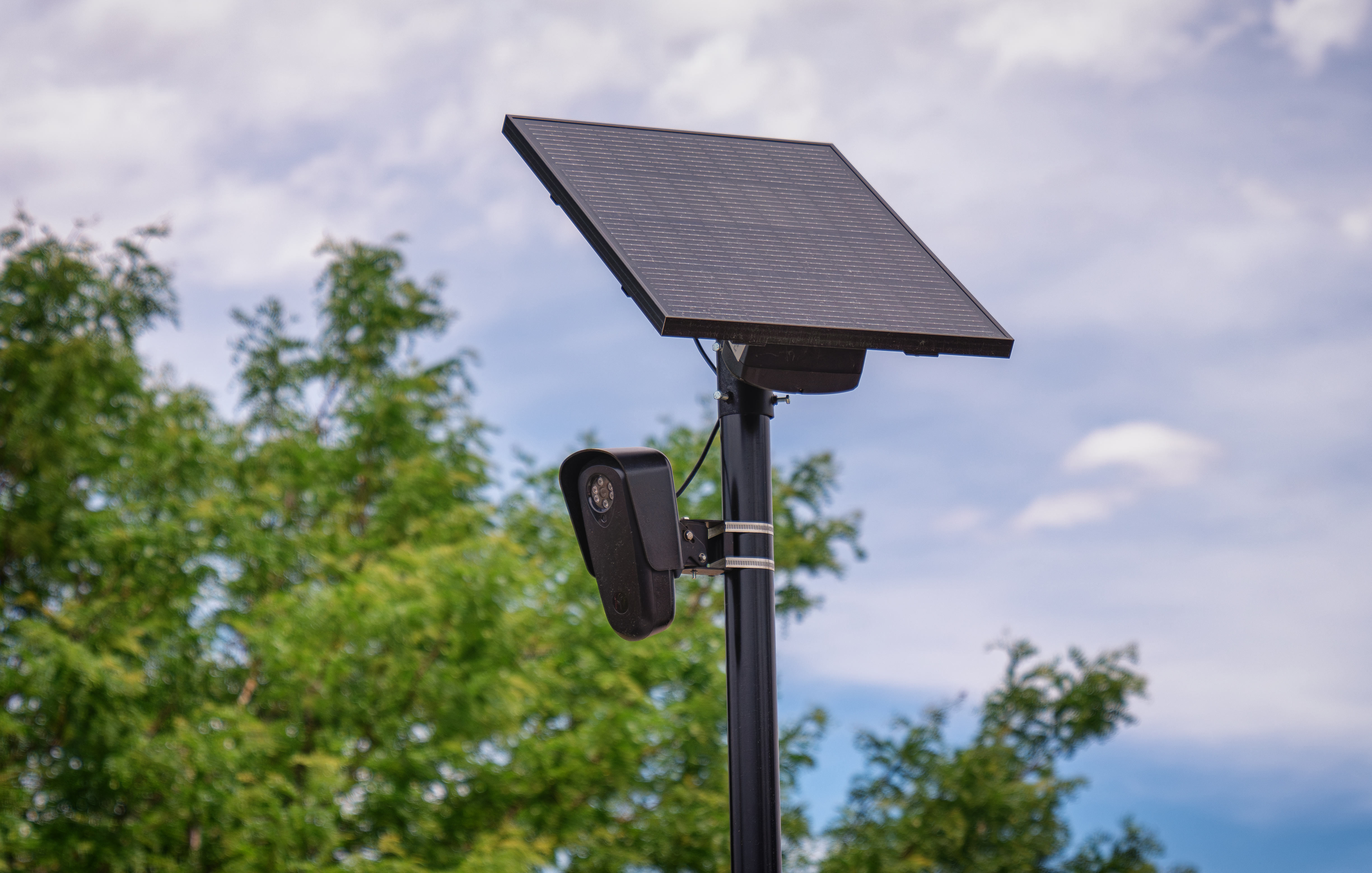
A Missouri police officer allegedly used Flock Safety license plate reader data to track his ex-wife during their divorce, and Beverly Hills has dozens of the same cameras deployed citywide. The case, reported Wednesday by Patch, is raising questions about what safeguards protect local residents from similar misuse.
Investigators in Brentwood, Missouri, determined the officer violated department policies but found no crime under state law. Missouri lacks the kind of data-access protections California enacted with Senate Bill 34 in 2015.
That distinction matters here.
California's SB 34 requires any public agency operating license plate readers to maintain a written usage and privacy policy available to the public, keep records of all access to the data, restrict use to authorized purposes and prohibit sharing the information except with other public agencies. Individuals harmed by a violation can file a civil lawsuit.
Beverly Hills' Flock network
The Beverly Hills Police Department leases Flock Safety cameras as part of its Real-Time Watch Center, one of the first fully operational real-time crime centers in California. Former BHPD Chief Mark Stainbrook, who retired June 26, described the system in an August 2025 Police Chief Magazine article as "a relatively cost-effective solution with minimal upfront costs." A state Organized Retail Theft grant funded additional cameras and software.
Chief Max Subin, a 27-year BHPD veteran, was sworn in Monday, Aug. 10. The department has not publicly confirmed its specific data retention period, officer query audit schedule or published usage policy for the Flock system.
How the technology works
Flock cameras photograph every passing vehicle with a timestamp, building a searchable 30-day database of all drivers' movements. According to Flock Safety's evidence policy, data is hard-deleted after 30 days by default, though retention can be extended to one year with approval from an elected official or governing body. The data is stored on Amazon Web Services Government Cloud with AES-256 encryption.
All officer queries are logged with the user's name, date, time and stated reason, according to Flock's LPR policy. But auditing those logs is left to each agency. Flock Chief Communications Officer Josh Thomas told Atlanta News First in June that oversight falls on local government: "It is not Flock's job to police the way police do their work."
A national pattern
The Missouri case is not isolated. In Kansas, former Kechi Police Lt. Victor Heiar was convicted of unlawful use of computers and stalking after using Wichita's Flock cameras to track his estranged wife, according to the Sentinel. Former Sedgwick Police Chief Lee Nygaard resigned and lost his law enforcement certification after using the system to monitor his ex-girlfriend.
More than 30 California cities and counties deactivated Flock cameras or cancelled contracts in early 2026 after a misconfiguration allowed federal agencies to access state ALPR data in violation of SB 34. The Oshkosh, Wisconsin city council revoked its Flock contract within 24 hours of approving it after learning the system produces vehicle "heat maps" the company had initially denied existed, according to the ACLU.
What residents can do
California law requires BHPD's Flock usage policy to be publicly available. Residents who want to know how long their plate data is stored, who can search it and how often those searches are audited can direct questions to the department or raise them at a city council meeting. Approximately 6,000 local governments nationwide use Flock cameras, many sharing data across jurisdictions.