Beverly Hills families and school administrators must now comply with new state laws after Gov. Gavin Newsom signed 13 bills targeting social media and artificial intelligence harms to children.
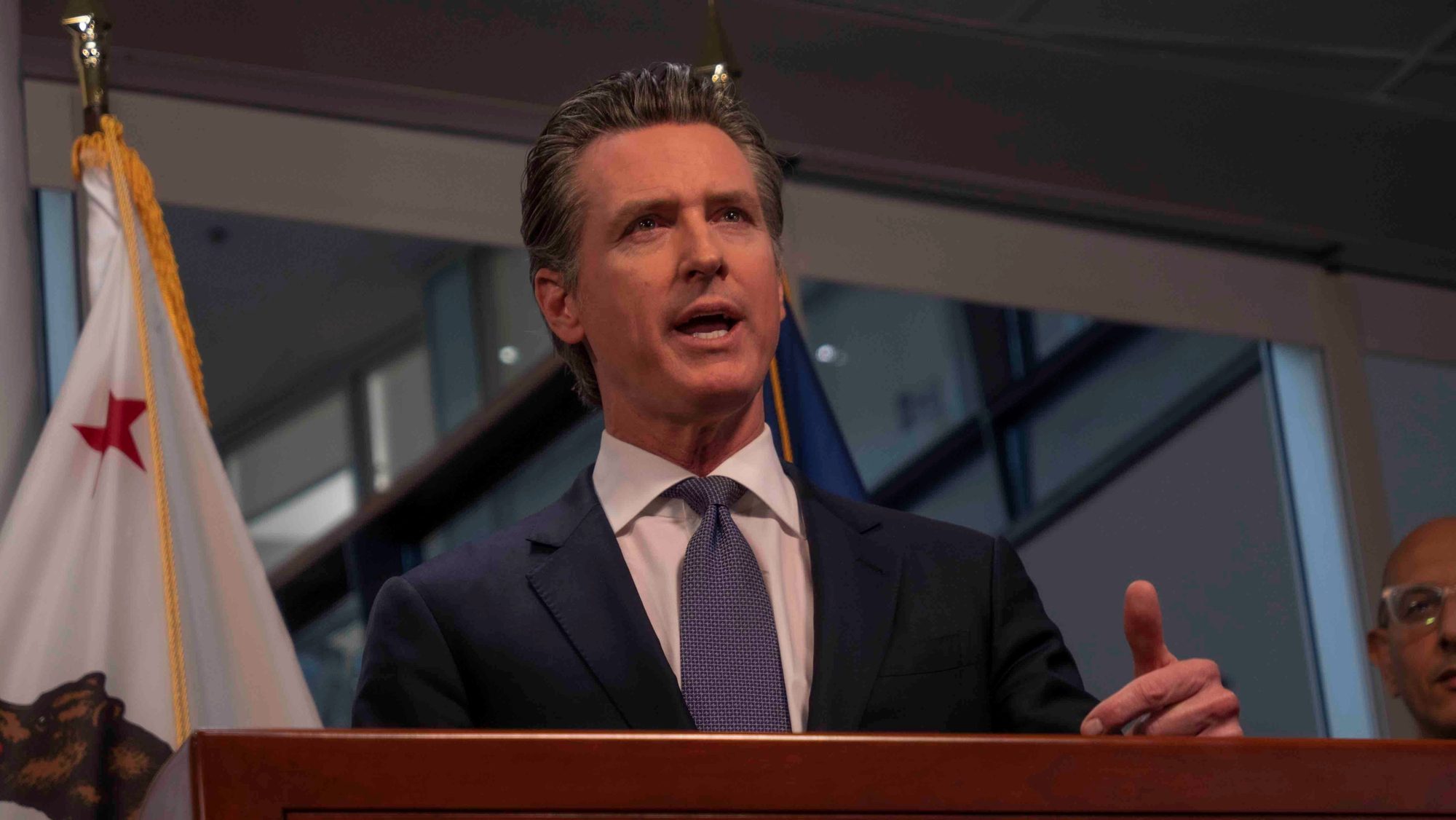
Newsom signed the package on Thursday, Sept. 10, at the Bay Area Discovery Museum in Sausalito. The laws arrive as Beverly Hills Unified School District implements its own technology restrictions, approved unanimously by the board on July 14, and explores a potential AI literacy graduation requirement.
The legislation includes AB 2, by Assemblymember Josh Lowenthal, which makes social media companies financially liable when they fail to protect minors. AB 1709, also by Lowenthal, bans platforms from offering features such as infinite scroll and autoplay videos to users under 16. SB 867, by Sen. Steve Padilla, temporarily bans the manufacture and sale of toys with AI companion chatbots for children under 16.
A centerpiece of the package is Adam's Law (SB 1119). The law imposes time limits for young users on AI platforms, restricts targeted advertising, requires crisis support and mandates reporting of suicide and self-harm threats. It also requires companies to conduct independent child safety audits and annual risk assessments. The governor's office called the audit requirement the first of its kind in the country.
The law is named for Adam Raine, 16, who died by suicide last year after interactions with ChatGPT isolated him from family and friends. Raine had first connected with the chatbot for help with math homework.
His mother, Maria Raine, attended the signing ceremony and held a photo of her son.
"Parents can't compete. Can't compete with the engineering, can't compete with the algorithms, can't compete," Newsom said at the ceremony, according to LAist.
Three of the 13 bills directly address K-12 schools. AB 1159, by Assemblymember Dawn Addis, covers student personal information protections. SB 1128, by Sen. Henry Stern, regulates school-issued electronic devices and technology-based materials. AB 2071, by Assemblymember Josh Hoover, requires instruction in digital wellness.
BHUSD has been moving in a similar direction. The district's technology policy, drafted by Board President Judy Manouchehri and Vice President Sigalie Sabag, withholds personal devices from students in transitional kindergarten through fifth grade. Students in sixth grade and above receive devices, but high school teachers are directed to design homework that minimizes AI use. The district also sends families a weekly summary of their student's device activity, according to the Beverly Hills Courier.
The district is also exploring an AI graduation requirement to give students practical AI literacy, though details on coursework and timing have not been announced, the Beverly Press reported in August.
The state laws follow other recent actions. In July, schools statewide began enforcing a separate law limiting smartphone use on campuses. In August, a coalition of 47 states, Washington, D.C., and U.S. territories, co-led by California Attorney General Rob Bonta, secured a settlement of up to $17.1 billion with Meta. The states alleged Meta designed Facebook and Instagram to be addictive to children. Meta denied wrongdoing.
Jim Steyer, CEO of Common Sense Media, called the package "the biggest, most far-reaching set of online protections in the United States," according to GVWire. Ed Howard, senior counsel at the Children's Advocacy Institute at the University of San Diego School of Law, cautioned that enforcement will determine whether the laws make a difference, noting that "a lot of very good laws simply haven't been enforced yet."
Tech companies are expected to challenge the laws in court on free-speech grounds, GVWire reported. Newsom vetoed an earlier version of the chatbot safety bill last year before signing the updated package.
If you are having suicidal thoughts, call or text 988 to reach the 988 Suicide & Crisis Lifeline.