Californians without college degrees were far less likely to shelter indoors when wildfire smoke reached dangerous levels, even though the researchers found that sheltering was essentially free, according to a study published Wednesday, July 22, in the Proceedings of the National Academy of Sciences.
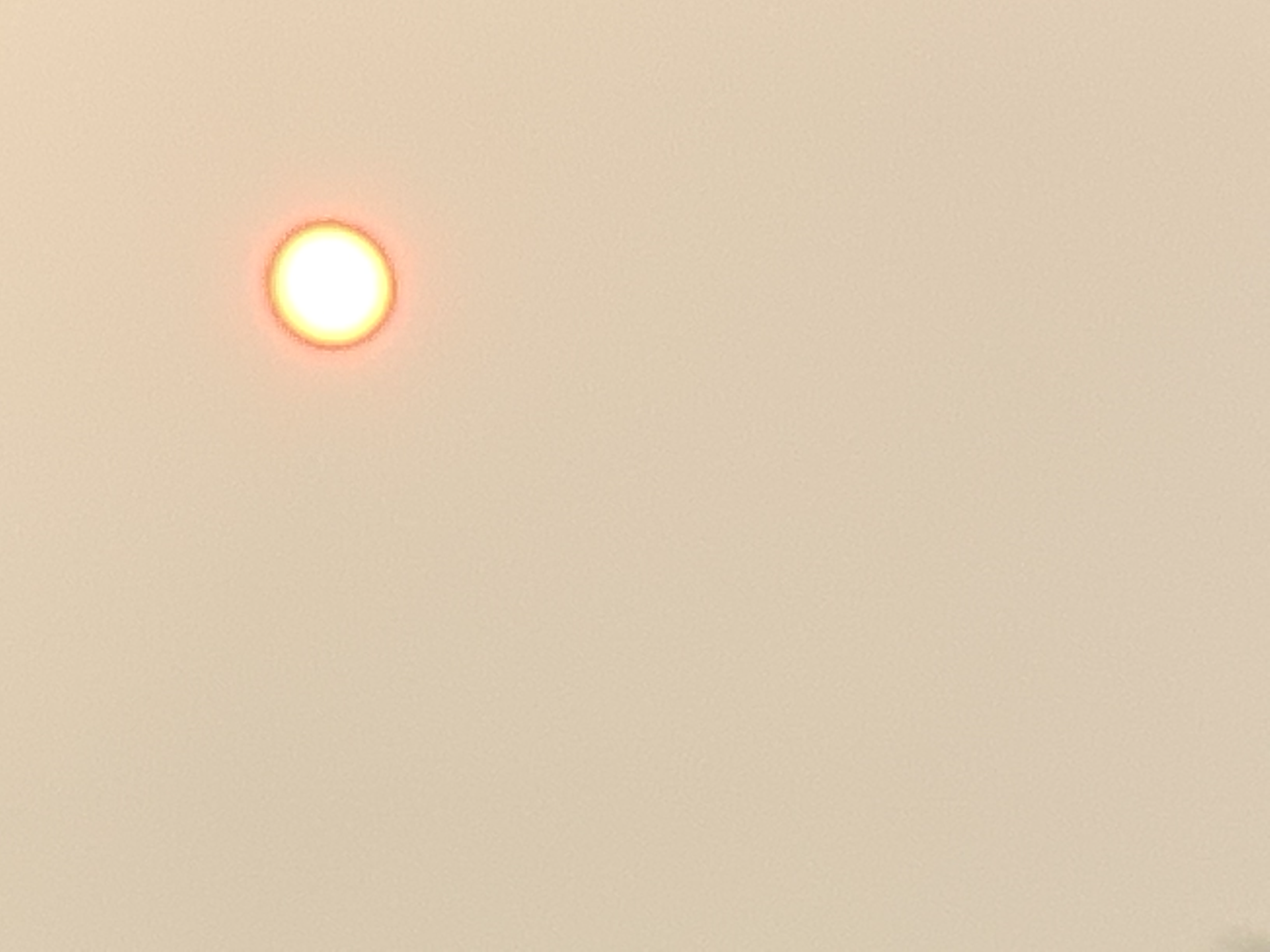
The finding is relevant context for canyon residents in Beverly Hills, Bel Air, and Holmby Hills, where brush-fire smoke can settle into hillside neighborhoods during fire season. The City of Beverly Hills issued a particle pollution advisory as recently as Friday, June 20, after smoke from the Boyle Heights fire drifted west.
What the study found
Columbia University's Clara Berestycki and UCLA Anderson's M. Keith Chen tracked anonymized GPS data from 163,000 smartphones in the San Francisco Bay Area and Sacramento during California's catastrophic 2018 wildfire season.
When smoke reached hazardous levels, residents in college-educated neighborhoods retreated indoors at roughly five times the rate of those in less-educated neighborhoods. Education was the only demographic factor that produced a significant gap. After the researchers controlled for education, income, race, and age made little difference.
That last point is the study's most striking finding: wealth did not predict sheltering behavior. The wealthiest residents were more likely to temporarily relocate, but money alone did not determine whether someone went indoors.
The researchers used rainstorms as a control. Both groups headed indoors at similar rates when it rained, suggesting the less-educated group had the same physical ability to shelter but did not recognize the health threat posed by smoke.
"Everyone could see the smoke and hear the alarms," Chen said in a UCLA statement. "The college graduates appeared more likely to understand that they really should act on them."
During extreme smoke events, time at home increased by 40 minutes on average compared with low-pollution days, and time at work dropped by 19 minutes. The researchers described the knowledge gap as "a potentially more fixable problem" than insurance barriers or out-of-pocket costs.
Why it matters locally
The study tracked behavior in Northern California, not Los Angeles. But Beverly Hills, Bel Air, and Holmby Hills face recurring smoke exposure from canyon fires and regional burn events. The EPA has lowered its early wildfire smoke warning thresholds after medical research showed that smoke at levels well below dense smog harms even healthy people.
Tiny particles in wildfire smoke can increase the risk of heart and lung disease, worsen chronic conditions, and contribute to long-term health problems, as UCLA physician David Eisenman told Axios on July 16.
How to protect yourself during a smoke event
Health authorities and the EPA recommend the following during wildfire smoke episodes:
- Stay indoors with windows and doors closed
- Run air conditioning on recirculate
- Use air purifiers with HEPA filters, which can reduce indoor pollution by 50% to 80%
- Wear N95 or KN95 masks if you must go outside
- Avoid indoor activities that add particles to the air, such as frying food, burning candles, or vacuuming without a HEPA filter
Residents can find their Beverly Hills emergency zone at beverlyhills.org/justincasebh, sign up for city alerts by texting BEVHILLS to 888777, or call the Beverly Hills Disaster Hotline at (310) 550-4680.