A flea-borne typhus outbreak just miles from Beverly Hills has prompted Los Angeles County health officials to warn that the disease poses a risk to residents across the region.
The Los Angeles County Department of Public Health (LACDPH) announced Tuesday, Sept. 22, that seven people in the Wilshire Center neighborhood of Los Angeles contracted the flea-borne illness. Six were hospitalized.
All seven have recovered.
Wilshire Center sits a few miles east of Beverly Hills. But the department stressed in its news release that flea-borne typhus risk is countywide and affects people across housing and income levels.
So far in 2026, 109 cases have been reported across Los Angeles County. That follows a record 220 cases in 2025, up from 187 in 2024. Cases have been climbing countywide since 2010, according to LACDPH's typhus information page.
In 2025, nearly nine out of 10 people diagnosed with flea-borne typhus required hospitalization. Cases that year ranged from a 1-year-old to an 85-year-old.
The Wilshire Center cluster is the second localized outbreak of 2026. The first struck the Pico-Union neighborhood, where five people were hospitalized before recovering, LACDPH reported July 29.
How it spreads
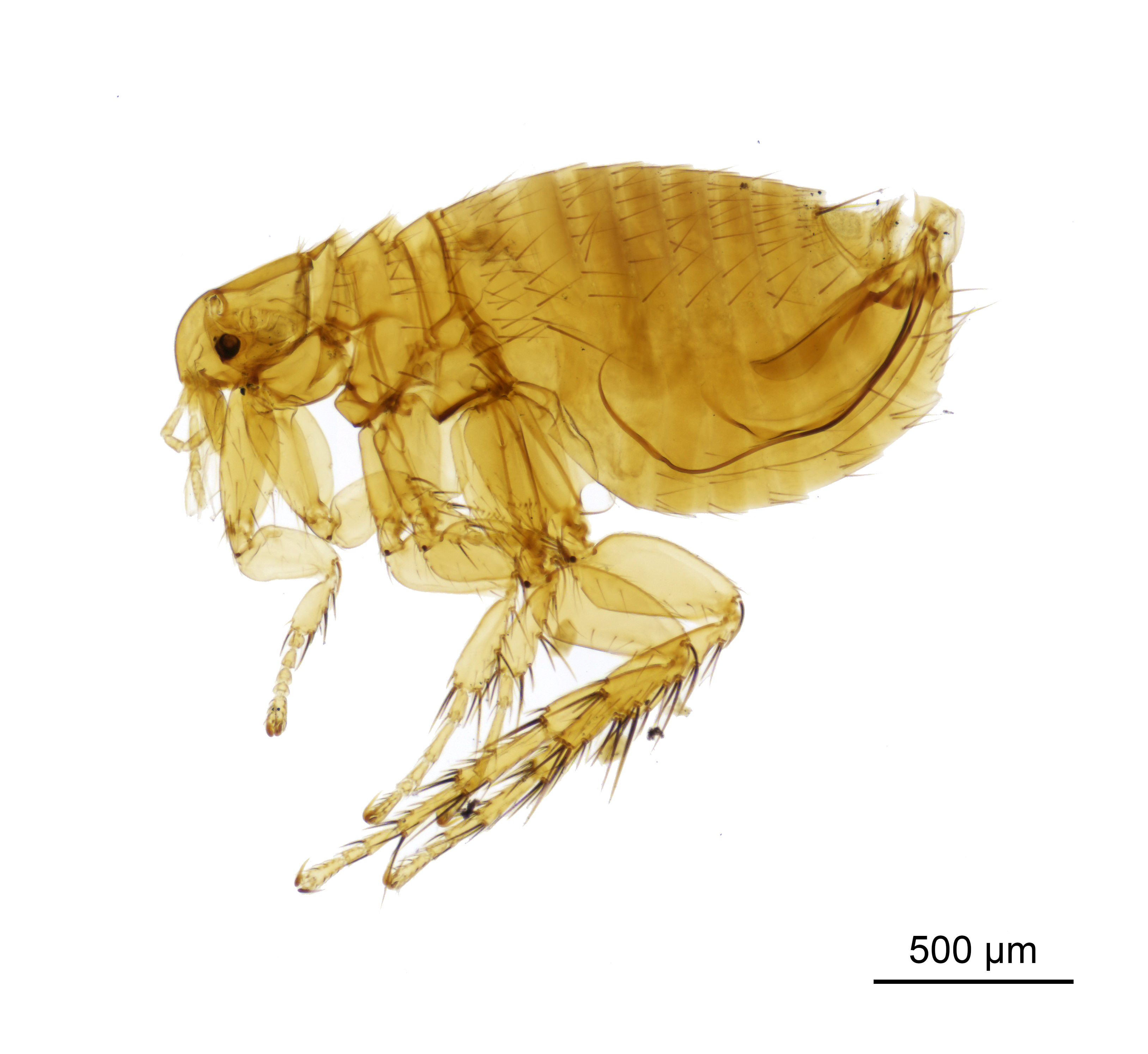
Flea-borne typhus is caused by Rickettsia typhi bacteria carried by infected fleas. In Los Angeles County, those fleas are most commonly found on rats, free-roaming cats and opossums, according to LACDPH.
People do not catch it from each other. Infection happens when flea feces enter the body through cuts, scrapes or the eyes. Infected animals often look healthy, so residents may not realize they are at risk.
Symptoms typically appear one to two weeks after exposure: fever, headache, rash, body aches, nausea and vomiting. Early treatment with the antibiotic doxycycline is effective, LACDPH said.
What residents should do
Dr. Muntu Davis, the county's health officer, said in the Sept. 22 release: "Community members can help protect themselves and their neighbors by keeping pets on flea control year-round, rodent proofing their homes and making sure wildlife cannot live in or around their homes."
LACDPH urges residents to:
- Use flea-control products on pets routinely and keep pets indoors when possible.
- Apply EPA-registered insect repellent labeled for fleas when pets go outside.
- Never leave pet food outdoors.
- Avoid feeding or touching free-roaming animals.
- Clear yard debris, trim overgrown plants and keep trash in tightly lidded containers.
- Seal crawl spaces and openings where animals can enter.
- Contact local animal control if stray animals or opossums are spotted near the property.
Residents with questions can call LACDPH at (800) 525-5662 or visit ph.lacounty.gov/Typhus.