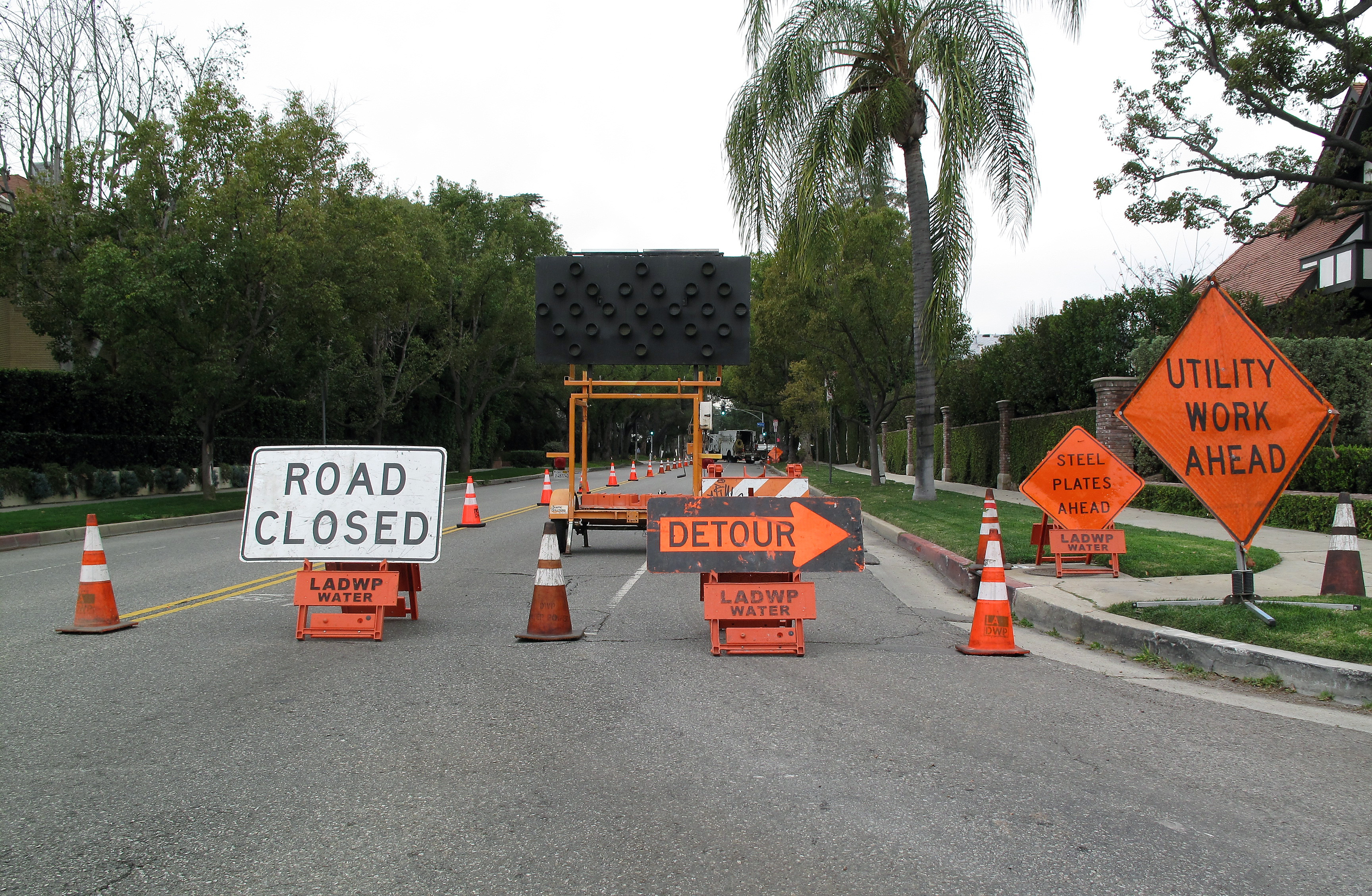
The Los Angeles Board of Water and Power Commissioners voted Oct. 27 to freeze residential utility shutoffs through Dec. 31 but did not authorize the independent audit that Mayor Karen Bass and customers had called for.
LADWP residential customers in nearby Los Angeles neighborhoods, including Bel Air and Holmby Hills, are covered by the moratorium. Beverly Hills provides municipal water service, while Southern California Edison delivers its electricity; the LADWP action does not extend to those services.
The decision came after a nearly four-hour meeting at the Los Angeles Department of Water and Power's (LADWP) downtown headquarters, reported by KTLA. Multiple residents spoke directly to board President Allan Marks, pressing him on bills that had surged hundreds or thousands of dollars above normal.
The approved resolution suspends water and electricity disconnections for nonpayment through the end of 2026, while preserving shutoffs for safety hazards. It also directs LADWP to review and develop recommendations to update its electricity rate ordinance, expand outreach on bill-management programs and begin sharing regular data on customer usage, according to the Los Angeles Times.
The board does not have the authority to forgive the charges, the Times reported. The balances will still be due by year-end.
No independent audit in the resolution
The resolution did not include a new, independent audit of LADWP's rate structure. Bass called for one on Oct. 26, saying it "should explain how rates are calculated, justified, and billed, evaluate the cost of service, and examine rate design to promote long-term affordability and protect ratepayers from unexpected billing spikes," according to Brentwood News.
Marks said he welcomed the idea but flagged the price tag.
"There are several audit options available, but it's important to remember that any audit will ultimately be paid for by our ratepayers," Marks said, according to Brentwood News. LADWP said a financial audit already takes place each year and is paid for by customers.
Residents confront the board
Customers at the Oct. 27 meeting described bills that had ballooned without warning. Cheyenne Guitierrez told the board her bill jumped from about $150 to $900, according to Brentwood News. Earl Currier said he was charged $750 for a one-bedroom apartment. A disabled Park La Brea resident told the board her bill for a two-bedroom apartment she shares with her mother rose from roughly $150 to $900, the Times reported. Their income is limited, she said.
Commissioner Benny Tran called the shutoff moratorium "the floor of what we can do," the Times reported.
Rate hikes meet record heat
LADWP customers saw a 15% to 20% median increase in electricity use during the most recent bimonthly billing period compared with the same period last year, according to the board's resolution. The number of extreme heat warning days tripled from five in 2025 to 15 so far in 2026, the Times reported, citing officials.
Electric rates rose 7% from the prior year, according to ABC7. Customers also pay a 10% city utility tax on water and power usage, which can increase overall costs during periods of extreme heat, ABC7 reported. Base rates for water and power have not changed since July 2019, but pass-through adjustments can fluctuate annually to cover fuel and inflation costs, according to LADWP.
Mayoral race enters the picture
The controversy over high LADWP rates has made its way into the Los Angeles mayoral race, KTLA reported. Bass says her challenger, Councilwoman Nithya Raman, voted in favor of rate hikes and did not act on rising costs. Raman accuses Bass of not doing enough to stop rates from climbing.
Shortly after the Oct. 27 vote, Raman appeared with City Controller Kenneth Mejia outside the downtown LADWP building to call for an audit conducted by the controller's office, the Times reported. Mejia said his office has only eight auditors and lacks the staffing for proactive department audits. He said his team had already begun investigating LADWP after reports of high bills.
Any overhaul of the rate structure will require formal approval from the Los Angeles City Council.