Residents in communities affected by the January 2025 Los Angeles wildfires may have been exposed to a wider range of toxic substances than standard air-quality measurements captured, UCLA researchers say.
Dr. Kari Nadeau said Monday, Aug. 17, that standard measurements of toxic particles "may be understating the risk, given that they don't account for other substances that wildfire smoke can contain, including lead, mercury and formaldehyde," according to the UCLA newsroom.
The concern is specific to fires that burn through neighborhoods rather than open land. Nadeau's research found that fires in populated areas are especially toxic because they consume buildings, vehicles and electronics, releasing heavy metals and volatile compounds that conventional PM2.5 monitors were never designed to detect.
70% of emissions from structures, not trees
The distinction matters for canyon communities like Bel Air and Holmby Hills, where homes sit close together amid dense vegetation. At the Jan. 14, 2026, LA Fire Health Research Conference at UCLA, scientists reported that an estimated 70% of emissions during urban wildfire events comes from human-made infrastructure, not vegetation, according to the UCLA Fielding School.
That changes the risk picture.
Researchers who initially tracked common fire-related toxins like lead and arsenic after the January 2025 fires later identified more than 20 additional volatile metals and compounds in samples, underscoring how much existing monitoring frameworks miss.
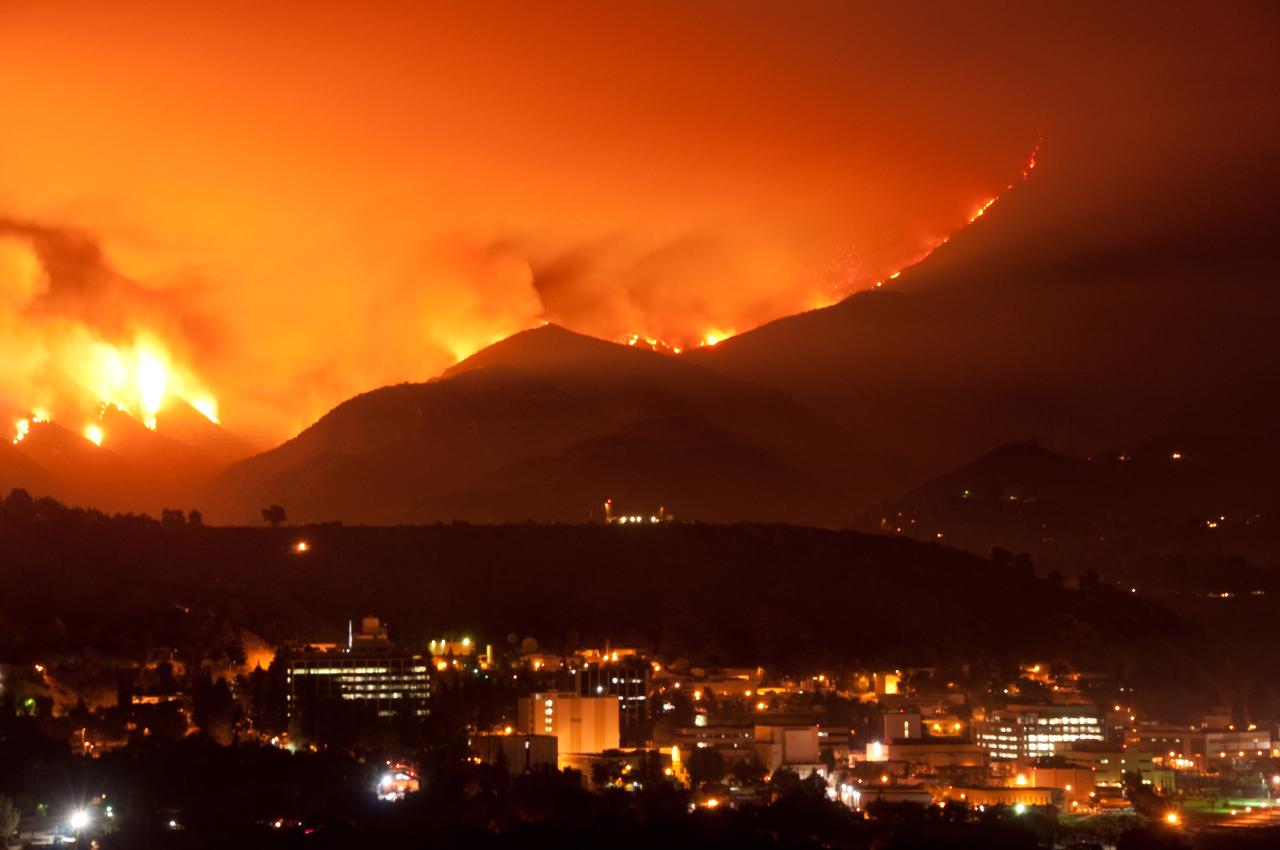
The January 2025 blazes claimed at least 31 lives countywide and damaged or destroyed more than 18,000 structures, according to UCLA, citing county figures. The Sunset Fire burned in the Hollywood Hills, triggering mandatory evacuations in areas near Bel Air.
Indoor air stayed dangerous after flames died
UCLA professor Yifang Zhu co-led some of the first peer-reviewed studies of indoor air quality after the fires and found that carcinogen levels from smoke damage remained high, and in some cases increased, even after the fires were extinguished. "Exposure continues. It cuts across different environmental media and changes over time," Zhu said at the Jan. 14, 2026, LA Fire Health Research Conference at UCLA, warning that post-fire response must be collaborative across agencies.
Nadeau co-chairs the LA Fire HEALTH Study, a nationwide consortium of nine institutions formed after the January 2025 fires to track pollutant exposures and health outcomes over time. She previously served on the U.S. Wildfire Commission and the California Air Resources Board Review Committee.
What residents should do
The LA County Department of Public Health advises residents exposed to wildfire smoke to remain indoors with doors and windows closed, run an air purifier if available and wear an N95 or P100 mask when going outside in smoky conditions.
No local official from Beverly Hills, LA City Council District 5 or the LA County Department of Public Health has publicly responded to Nadeau's Aug. 17 comments. The LA Fire HEALTH Study is ongoing, with no announced public reporting deadline.